


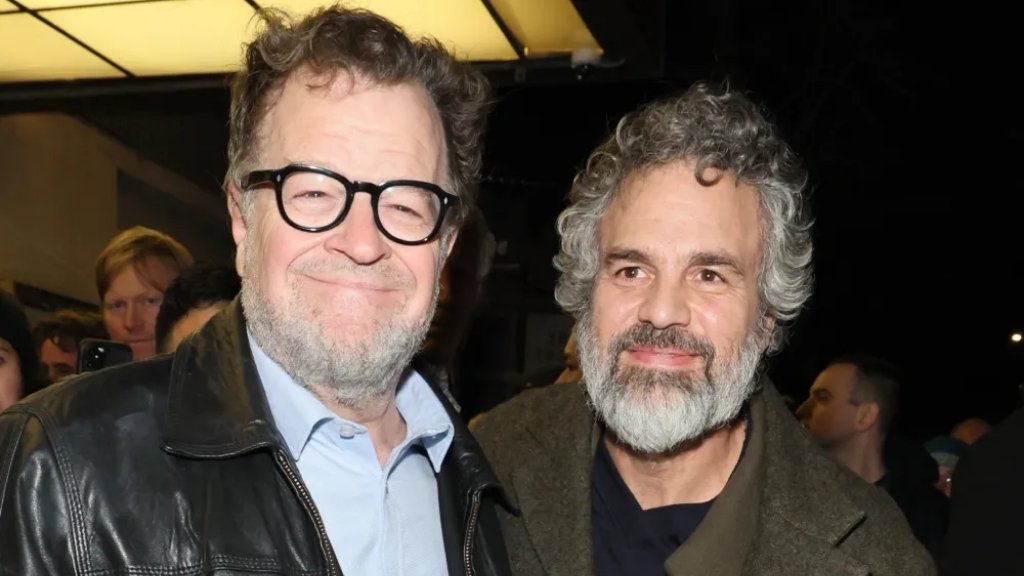
The Oscar-winning filmmaker says accusations against Ruffalo are unfounded while acknowledging that he disagrees with the actor on several issues involving Israel, Gaza and the Middle East.
Oscar-winning filmmaker and playwright Kenneth Lonergan has publicly defended actor Mark Ruffalo amid a growing dispute over accusations of antisemitism surrounding the actor’s recent political comments.
Lonergan, who has known Ruffalo for decades and previously worked with him on You Can Count on Me, sent a letter to The Hollywood Reporter arguing that the accusations against the actor were unjustified.
In the letter, Lonergan strongly rejected the suggestion that Ruffalo is antisemitic and accused his critics of using the allegation to avoid engaging with the substance of the actor’s arguments.
Dispute Began With Ruffalo’s Comments About Gaza
The controversy centers on a social media post Ruffalo published Aug. 21.
In the post, the actor discussed the war in Gaza and criticized the involvement of wealthy business interests, including the Ellison family. Ruffalo also raised concerns about Oracle’s relationship with Israel and described the situation in Gaza using terms including “genocide” and “apartheid.”
Ruffalo’s comments came amid the broader controversy surrounding the proposed Paramount-Warner Bros. Discovery transaction.
His post also referenced Larry Ellison, Oracle’s founder and father of Paramount CEO David Ellison. Ruffalo argued that powerful corporations and wealthy individuals were contributing to greater economic and political concentration.
The actor included a clip featuring former Oracle CEO Safra Catz speaking about the company’s technology at an Israeli-American Council event in 2024.
A representative for Catz subsequently said the technology described as “profoundly scary” was intended to help rescue hostages taken during the Oct. 7, 2023, Hamas attack.
Paramount Pushes Back Against Ruffalo
Paramount responded sharply to Ruffalo’s post, accusing him of relying on antisemitic tropes.
The company said it was concerned that words such as “genocide” and “apartheid” were being used in connection with a corporate transaction. Paramount argued that such language was inappropriate and risked diminishing the meaning of terms associated with genuine human suffering.
The company’s response further stated that it opposed prejudice of any kind and called for the merger debate to focus on its legal and business implications rather than what it described as underlying bias.
The dispute subsequently attracted reactions from several Hollywood organizations and prominent industry figures.
The Simon Wiesenthal Center and Creative Community for Peace criticized Ruffalo’s remarks. The Brigade, an industry group that includes figures such as Haim Saban, Lawrence Bender and Ram Bergman, also objected to bringing discussions about Jewish identity, Zionism or antisemitism into arguments surrounding a business transaction.
Other Hollywood Figures Rally Behind Ruffalo
Ruffalo has also received public support from other entertainment figures.
Emmy-winning Hacks actress Hannah Einbinder criticized the antisemitism accusations directed at Ruffalo, while actress and activist Jane Fonda described the criticism as an effort to undermine his opposition to the merger.
Ruffalo has frequently spoken publicly about political, environmental and anti-war issues. He has also been outspoken about the war in Gaza and has criticized the proposed Paramount-Warner Bros. Discovery deal.
The actor previously testified against the transaction during a Senate hearing and joined hundreds of other performers in signing an open letter opposing the deal.
Lonergan Says He Disagrees With Ruffalo on Some Issues
Although Lonergan defended Ruffalo against the antisemitism accusations, he made clear that he does not agree with the actor on every political issue.
The filmmaker specifically said he has significant disagreements with Ruffalo regarding Israel, Gaza, Iran and groups associated with Iranian-backed Islamic fundamentalism in the Middle East.
His argument, however, was that disagreement over political views should not automatically be turned into an accusation of antisemitism.
Lonergan maintained that critics should challenge Ruffalo’s arguments directly rather than attempting to discredit him through what he considers an unrelated accusation.
Debate Continues in Hollywood
The dispute has become another flashpoint in an increasingly contentious debate involving Hollywood, the Paramount-Warner Bros. Discovery transaction and political discussions surrounding the war in Gaza.
Ruffalo’s critics say his comments crossed a line by invoking language they consider connected to antisemitic tropes. His supporters argue that criticism of Israeli government policies, corporate relationships or the war in Gaza should not automatically be characterized as antisemitism.
Lonergan’s intervention adds another prominent Hollywood voice to the discussion.
For now, the disagreement remains part of a larger battle over the proposed merger, political expression in the entertainment industry and the boundaries between legitimate criticism and accusations of prejudice.